


As we welcome 2025, global headlines highlight a range of events and behaviors that offer insights into human nature and societal dynamics. I wasn’t going to look at the news, I spent a wonderful morning observing all my firsts…the first flower I saw in 2025, the first kiss, the first breakfast, the first card from my Art of Life Inspiration Deck, the first of many beautiful things.
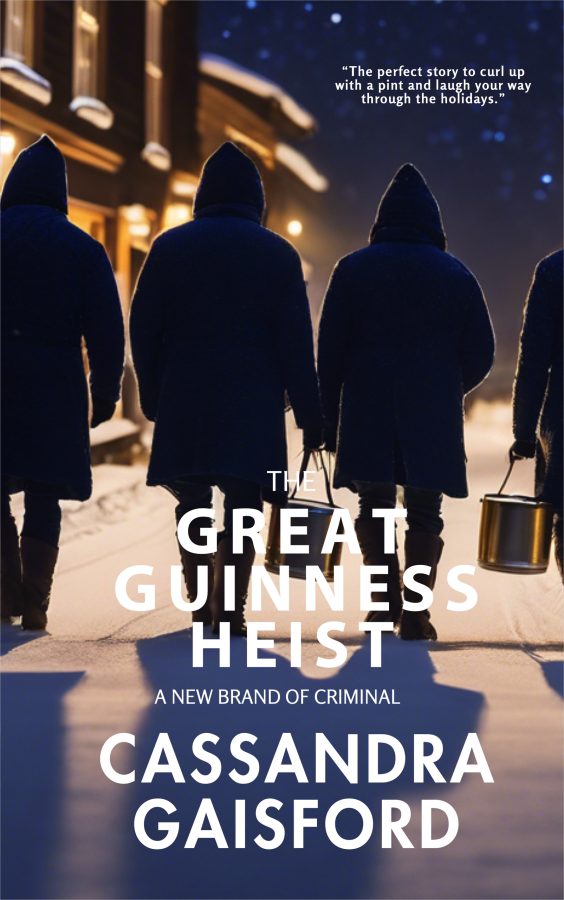
(Scroll to the end for my New Years Day release, The Great Guinness Heist: A Hilarious Holiday Caper)
Let’s get to the root of bad behavior and learn why some individuals consistently make negative choices while others strive for better alternatives.
I wondered, “what will first newspaper headline? What will the newspapers report?” And it was a malestrom of horrors—from family violence, road rage, violent assaults and more. And then an email from James Clear, author of Atomic Habits, arrived in my inbox, offering a ‘secret’ chapter:
“The secret chapter is titled “The Biology of Bad Behavior” and it explains some of the biological underpinnings behind bad habits and what scientists are doing about it. This chapter was cut from the final manuscript, but now you can get access to it.”
Have you ever wondered why some people seem to default to “bad” behavior while others excel at making better choices? Is it all about willpower, or is there something deeper at play? To understand the biology of bad behavior, we must examine how our habits form, how biology and environment influence us, and what science says about changing harmful patterns.
As James Clear writes in his bestselling book Atomic Habits, “Habits are the compound interest of self-improvement.” But what about the habits that aren’t so beneficial? The ones that lead us to lash out in anger, procrastinate on important tasks, or indulge in self-destructive behaviors? To address these questions, we need to dig into the roots of behavior — from our brain chemistry to the systems that drive our decision-making.
Human behavior, both good and bad, is deeply influenced by our biology. Key factors include:
James Clear emphasizes that habits are not a fixed trait but rather a system of repeated actions. According to Atomic Habits, habits are formed in four stages: cue, craving, response, and reward. Bad habits often emerge when we repeatedly satisfy short-term cravings at the expense of long-term well-being.
For instance:
The cycle continues, and before long, the behavior becomes automatic. But why do we fall into these patterns so easily? Biology provides some answers.
Bad habits often serve as coping mechanisms for deeper biological and emotional needs:
If bad habits are so biologically ingrained, is change even possible? The answer, fortunately, is yes — but it requires understanding both biology and behavioral science. Here are strategies rooted in Atomic Habits and scientific insights:
Understanding the biology of bad behavior doesn’t absolve us of responsibility — but it does offer clarity. As James Clear notes, “Every action you take is a vote for the type of person you wish to become.” By combining biological insights with practical strategies, we can break free from harmful patterns and create lives rooted in growth and resilience.
Bad behavior isn’t destiny. It’s a habit — and habits, as science shows, can be changed. The first step is to understand the why, then take action toward the how.

https://www.theguardian.com/international
As we welcome 2025, global headlines highlight a range of events and behaviors that offer insights into human nature and societal dynamics. Here are some notable examples:
1. Celebratory Behaviors and Social Traditions
2. Behavioral Responses to Environmental Challenges
3. Novelty-Seeking and Unique Experiences
4. Behavioral Economics and Urban Development
5. Political Messaging and Public Engagement
These examples from New Year’s Day 2025 headlines provide a snapshot of human behavior in response to cultural traditions, environmental challenges, and societal developments, offering valuable insights into the complexities of human nature.

As of January 1, 2025, here are some notable New Zealand news headlines:

Hamilton family harm: Homicide investigation underway after child killed, others injured
Police have confirmed a homicide investigation has been launched after a violent incident at a Hamilton address overnight.
One child at the property was killed and three others have been seriously injured.
5. Crime and Public Safety
These headlines provide a snapshot of the events and issues currently shaping New Zealand as the nation enters 2025...nothing to be proud of
Family harm continues to be a critical issue in New Zealand, reflected in recent news reports and community concerns. Here are notable examples highlighting the problem and ongoing efforts to address it:
1. Police Respond to Increased Family Harm Incidents Over the Holidays
The holiday season often sees a spike in family harm incidents across New Zealand. Police reported a significant rise in callouts for domestic violence during New Year’s Eve and the first day of 2025, reflecting the pressures families face during this time.
2. Government Expands Support for Family Harm Survivors
The New Zealand government has announced additional funding for shelters and counseling services to assist survivors of domestic violence. This initiative aims to address the surge in family harm cases during the holiday season and beyond.
3. Raising Awareness Through Community Campaigns
Organizations such as White Ribbon NZ are using the New Year to amplify their campaigns against domestic violence. Events and workshops are being held to educate communities about recognizing and preventing family harm.
4. High-Profile Family Harm Cases Highlight Systemic Challenges
Recent court cases involving family harm have drawn attention to gaps in the justice system, including inadequate restraining order enforcement and delays in support services.
If you or someone you know is experiencing family harm, resources like Shine Helpline (0508 744 633) and Women’s Refuge (0800 733 843) are available to provide confidential support and guidance.
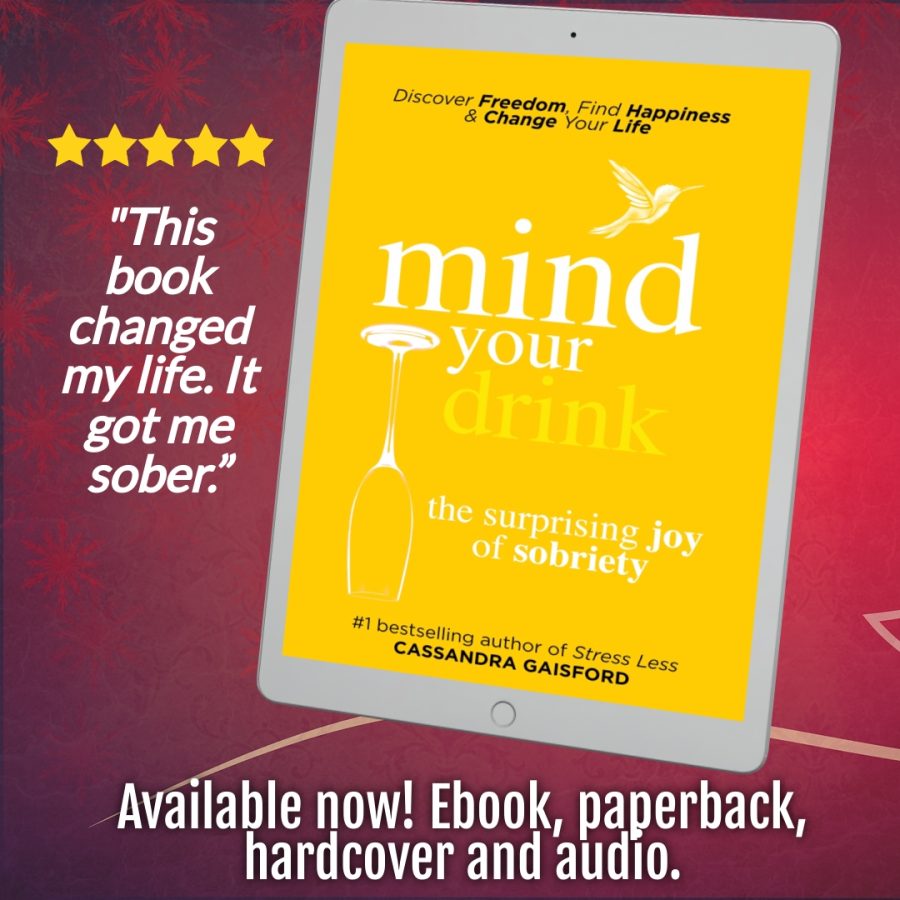
US: https://www.amazon.com/dp/B07BS6WMTV
UK: https://www.amazon.co.uk/dp/B07BS6WMTV
CA: https://www.amazon.ca/dp/B07BS6WMTV
AU: https://www.amazon.com.au/dp/B07BS6WMTV
UNIVERSAL: https://mybook.to/MindYourDrink
I know how comforting a beautiful soul-inspired painting or love-infused book can be. This is why both my chosen charities, Women’s Refuge and Hospice NZ are close to my heart.

I am filled with gratitude for every one of you who chooses to bring my art into your lives. Each painting you purchase goes beyond just filling a space on your wall – it becomes a symbol of hope, healing, and positive change within our community. Through your support, we’re able to give back to causes that truly make a difference.
With your help, we’re supporting Hospice New Zealand, dedicated to providing comfort and dignity in times of need, and Women’s Refuge, a safe haven for women and children overcoming hardship and violence. Additionally, for each painting purchased, I plant a native tree on our property, nurturing a haven for kiwi, bees, and native birds. Every brushstroke and every tree planted grows our shared commitment to compassion, community, and the environment.
Thank you from the bottom of my heart for being part of this journey. Because of you, my art does so much more than tell a story; it becomes a beacon of love, support, and hope for people, our wildlife, and our planet.
p.s. I have just planted a Metrosideros Maori Princess, commonly known as Pohutukawa, a stunning New Zealand native. This striking tree is revered for its vibrant display of deep red, feathery flowers that bloom around Christmas, earning it the title of New Zealand’s Christmas tree.
I’ve called her McPrincess in honor of the McDowell Family, and the recent purchase two paintings, Love Is The Answer and Happy and Excited For Everything
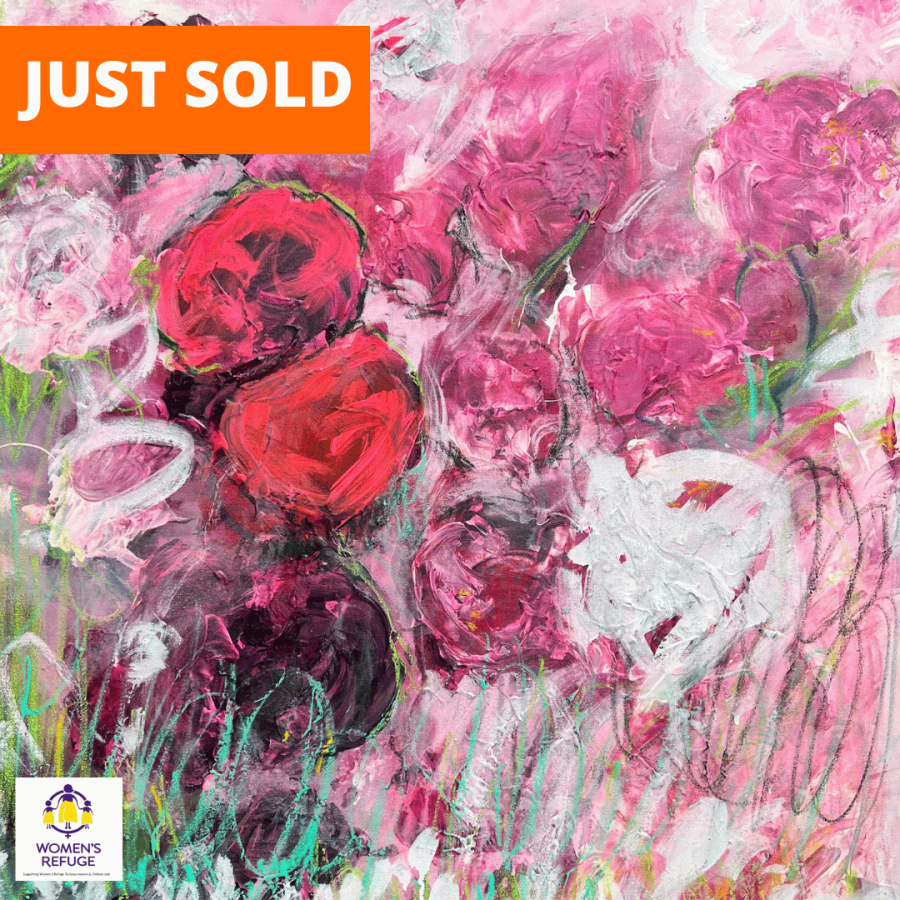
@womensrefugenz is my chosen charity to donate to for people who purchase my paintings or join my creativity workshops. You may like to know that each painting sold or enrolment made helps empower a victim of family violence by offering a safe, supportive place to stay.
I have known from an early age what it is to feel terrorized in your own home by people whose love ignites into hatred, aggression and violence. I know how it feels to have to flee, to seek safe refuge in a strange house, to no longer have a home. And I know, the strength kindness, caring and compassion can bring—and the power of beauty to help us transcend our pain.
Thank you to all my collectors and people who have taken my art workshops for helping me support this vital cause. Together we help make a difference.

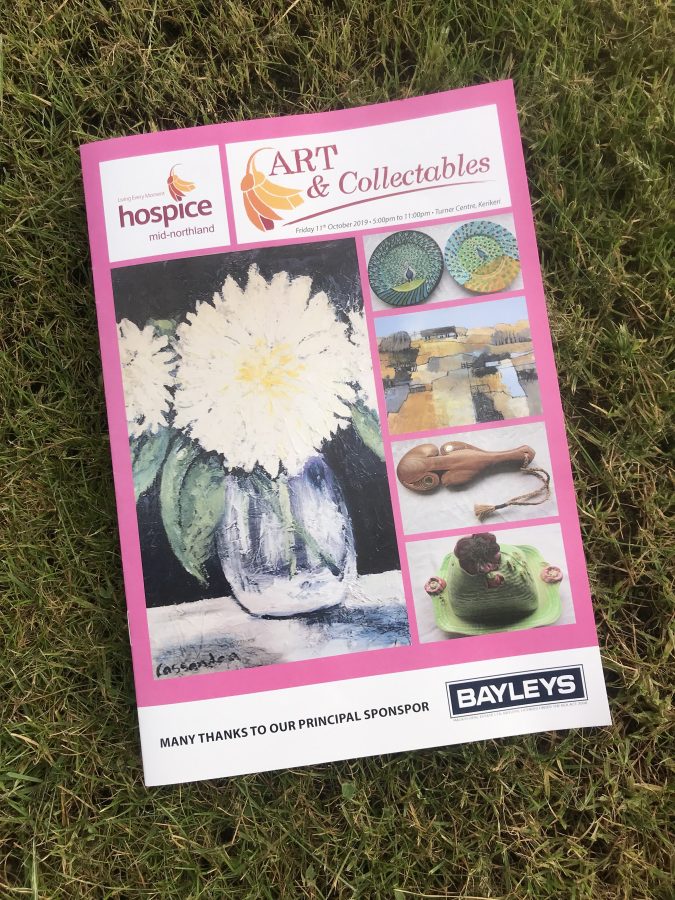
I have also donated and will continue to, pieces to Hospice New Zealand. I remember what a bright light Hospice was offering respite care to my stepfather during his last months. I’ve also created bespoke works in memory of loved ones who have been lost to cancer.
Artworks like Love Story. The short brief for this commission was compelling…”I would love to commission you to conjure up an exquisite piece of art…Love all the vibrant memories my special lady brings. Love, sea, sand, salt and pohutukawas.”
I was super excited when celebrity chef Jo Seagar visited my gallery in the Bay of Islands and became the new owner of this love-inspired work. The constant love story in Jo’s life has been her work for Hospice New Zealand. For over 25 years, as their ambassador and Patron, she has been raising funds and public awareness of their very important work.
And I have also given away artworks that touched people soul’s. Paintings like Te Ataroa…also the card I drew this morning from my Art of Life Inspiration Deck.
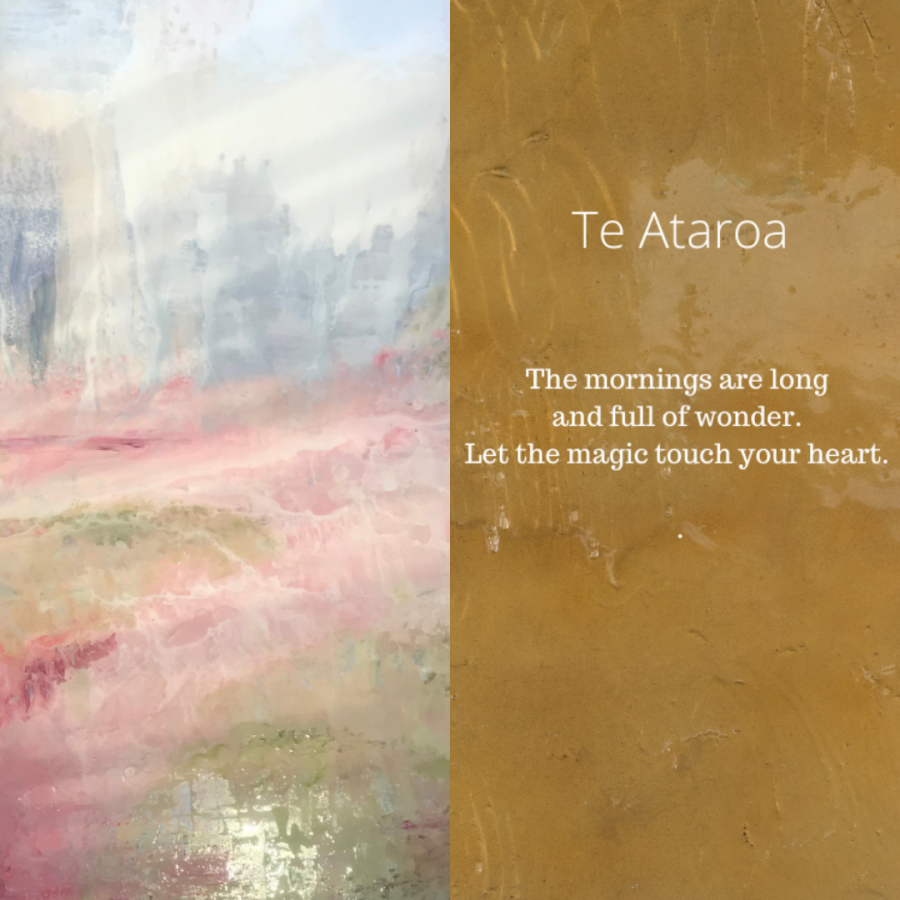
Te Ataroa was inspired by and named after a beautiful baby who was only three months old when I saw her while she was with her mum shopping for groceries. The young couple had lost a little girl who, a year earlier, was stillborn. Their new daughter Te Ataroa was a blessing. Translated her name means “the long morning”.As I painted the artwork I imagined Te Ataroa’s sister shining down from heaven, sending her family endless kisses across the morning sky.

AMAZON l APPLE l KOBO l BARNES & NOBLE
As I began this story on New Year’s Day 2025, I found myself scanning the news headlines in search of something uplifting. Most of what I read only confirmed the messy state much of the world is in—stories of division, loss, and uncertainty. But then, tucked among the gloom, I saw a headline in The Guardian that made me smile: Great Guinness Heist: Thieves Stole Truck Carrying 35,000 Pints.
Intrigued, I shared the story with my partner. Without missing a beat, he quipped, “That’ll be The Travellers,” referencing a scene in the Netflix series The Gentleman. The comment, though lighthearted, got me thinking. How awful it must feel to always be blamed—whether you’re involved or not. And, as writers do, I wondered: What if there was another version of the truth?
From that seed of curiosity grew this story—a madcap Christmas tale where stolen Guinness becomes the foundation for an unlikely community bond. In a time when division often feels louder than connection, perhaps a little festive mischief and shared humanity are exactly what we need to remind us of the good.
Here’s the blurb:
The Great Guinness Heist: A Hilarious Holiday Caper
When a truck carrying 35,000 pints of Guinness disappears just before Christmas, chaos erupts in the Midlands. Barry, a beleaguered pub landlord, faces the festive season with taps running dry and a rowdy crowd demanding their beloved “black stuff.” But when rumors of balaclava-clad thieves rolling kegs onto a canal barge surface, the locals band together to track the culprits in a merry misadventure filled with pints, pratfalls, and plenty of laughs.
From Jim, the cantankerous conspiracy theorist who blames The Travellers for everything from missing dentures to stolen stout, to Sheila, the voice of reason who’s had enough of his nonsense, this mismatched group of pub regulars stumbles into a Christmas caper they’ll never forget.
Will they uncover the truth behind the Guinness shortage? Or will their quest for justice turn into another pint-sized disaster?
Perfect for fans of small-town humor, festive shenanigans, and a good pint of Guinness, this laugh-out-loud comedy is the holiday escape you didn’t know you needed.
Pour yourself a pint, settle in by the fire, and join the Midlands’ most unlikely heroes for a Christmas story as rich as the stout they’re hunting. Cheers!
AMAZON:
US: https://www.amazon.com/dp/B0DRZ8TFD3
CA: https://www.amazon.ca/dp/B0DRZ8TFD3
UK: https://www.amazon.co.uk/dp/B0DRZ8TFD3
AU: https://www.amazon.com.au/dp/B0DRZ8TFD3
iBOOKS, BARNES & NOBLE AND OTHER GREAT BOOKSTORES:
https://books2read.com/u/bpVpK6
Posted in: Blog
ABOUT CASSANDRA
I am an artist, storyteller, intuitive guide, mentor and Reiki master. All my creations are infused with positive energy , inspiration, and light. I believe in magic and the power of beauty, joy, love, purpose, and creativity to transform your life. My greatest joy is helping your realize your dreams. That makes my soul sing!
RECENT BLOG POSTS
CONTACT
P: +64 (0) 21 873 833
E: hello@thejoyfulartist.co.nz
BE SOCIAL


© 2026 The Joyful Artist
Website by Webstudio