


Leonardo da Vinci: Storyteller of the Soul
Leonardo da Vinci was more than a painter—he was a consummate storyteller, a visionary who understood that the heart of every unforgettable story lies in conflict.
He didn’t shy away from emotion. He studied it, sketched it, dissected it. He lingered in the subtleties of the human face, knowing that a raised brow or a clenched hand could say more than a thousand words. Nowhere is this more evident than in his masterwork: The Last Supper.
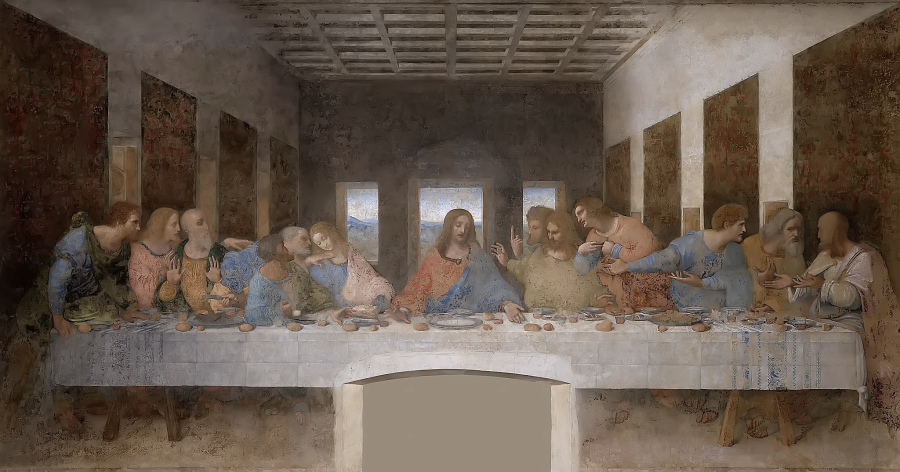
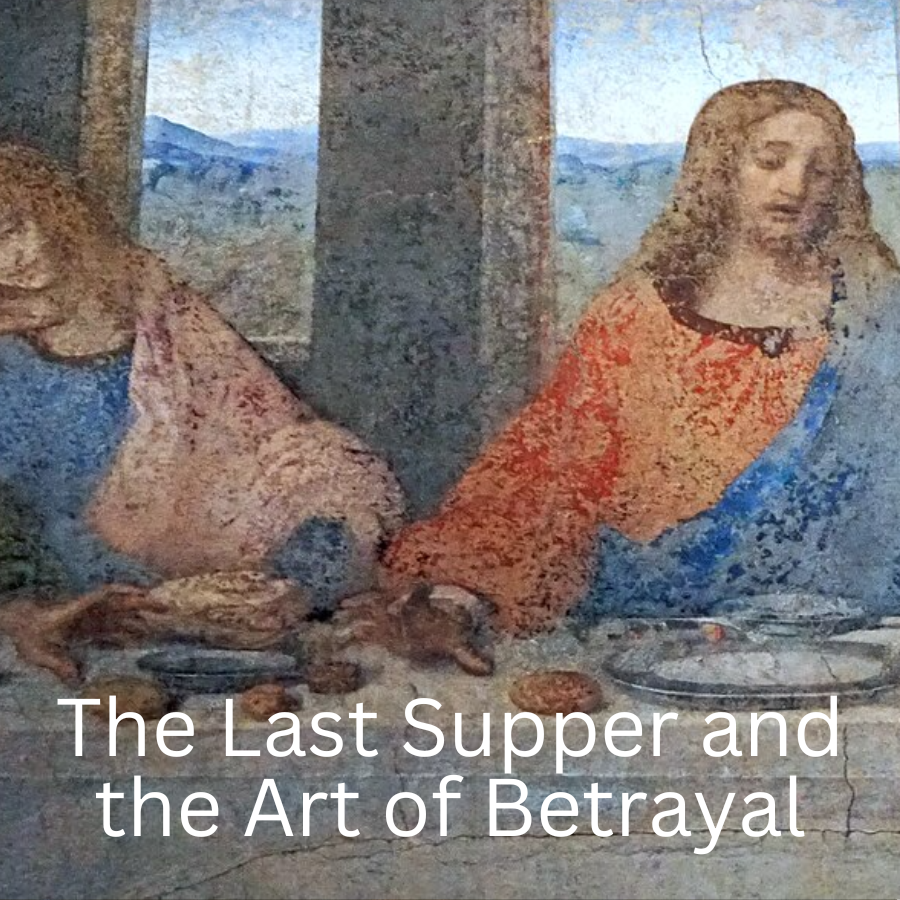
In that mural, Leonardo captures not a calm or sacred moment—but a rupture. Jesus has just spoken the unthinkable: “One of you will betray me.” The room explodes—not physically, but emotionally. Shock. Denial. Rage. Guilt. Every disciple reacts differently, and Leonardo paints each one with surgical precision.
He understood betrayal.
And so do I.
After my mother died, I experienced my own Last Supper moment. The calm fell away. Truths emerged. And I, too, was left facing the pain of betrayal—not from strangers, but from those I trusted most.
That’s the genius—and the grief—of Leonardo’s work. He painted not just stories from scripture, but truths that echo across centuries. He showed us that betrayal is not just historical or biblical. It is deeply human. Timeless. Universal. Brutal.
In this post, I’ll explore not just the context and composition of The Last Supper, but the emotional intelligence behind it—and what it revealed to me about my own life, love, and loss.
In the late 15th century, Milan’s powerful Duke, Ludovico Sforza, had a vision—not just of military strength or political power, but of beauty, legacy, and divine inspiration etched into stone and paint.
As part of his grand renovation of the Santa Maria delle Grazie monastery, Ludovico turned to his court genius, Leonardo da Vinci, and asked him to paint a mural in the monks’ dining hall. The subject? A scene as familiar as any in Christian lore: The Last Supper.
But Leonardo didn’t just depict a sacred meal. He captured a moment of tension, betrayal, and divine knowing—the instant Jesus reveals that one of his disciples will betray him. Every face, every gesture pulses with emotion and humanity. It wasn’t just a painting—it was a revolution in narrative art.
Painted between 1495 and 1498, Leonardo’s work broke rules. He abandoned traditional fresco technique, choosing instead to experiment with oil and tempera on dry plaster—a decision that led to rapid deterioration but gave him the freedom to work slowly and with stunning detail.
The result? A masterpiece that changed art history forever. Born of power, vision, and a brush in Leonardo’s hand, The Last Supper still speaks to us—of loyalty, loss, and the sacred in the everyday.
Leonardo was in effect a special effects man for the Duke. So I guess we would think of him as a sort of a combination set designer, costume designer, and special effects person for these spectaculars that Ludovico would have staged a couple of times a year in Milan.
That is why Leonardo was determined that with this fresco he was going to astonish them all.
And they probably would have been expecting that he would have done a Last Supper akin to all of those that had been done primarily in Florence, in Tuscany, Siena, for the previous 200 years. But of course, he did something quite different. That archetype showed Christ breaking bread, thus establishing the first Eucharist.
But like a skilled film director, Leonardo picked a far more dramatic scene, the moment when Jesus declares that one of the men in the room is a traitor.
That news literally erupts from the center and strikes the apostles in various poses of shock, disbelief, sorrow, and even anger. The full spectrum of human emotions is laid bare, echoing the same idea that had inspired his adoration of the Magi some 25 years earlier.
Leonardo wanted action, and he also wanted the emotion and the dramatic intensity of what happened in those seconds in Jerusalem.
And that, of course, is one of the magnificent things about the painting, that he brings that to life. We see that, and instantly, I think we can understand what’s happening there. It’s that whole vortex of human drama.
Someone once said that painting is a way of keeping a diary—a place where the heart writes what the lips cannot say. That has never felt more true than in 2022, after my mother’s sudden death.
Grief has layers. Shock. Love. Regret. But what I didn’t expect was the betrayal—the realisation that in those final, precious months, others had influenced her to change her will, keeping it a secret from me. It hit like a lightning bolt: this was my Last Supper moment. The calm was shattered. The table overturned. The faces around me no longer looked the same.
In that season of unraveling, I turned to the only thing that could hold the weight of what I felt: the canvas.
What emerged was a series I think of now as The Vortex of Human Drama—paintings that poured out the complexity of loss, manipulation, memory, hope, and love. These weren’t just artworks. They were pages from my diary. Each one carries the residue of truth told in colour and form, born from pain but also a fierce desire to reclaim clarity, dignity, and peace.
Here are a few of those canvases (sold to art collectors)—raw, unfiltered, honest. My visual diary of a time when everything changed.

I Will Always Love You, 2022

Be The Sunshine, 2022
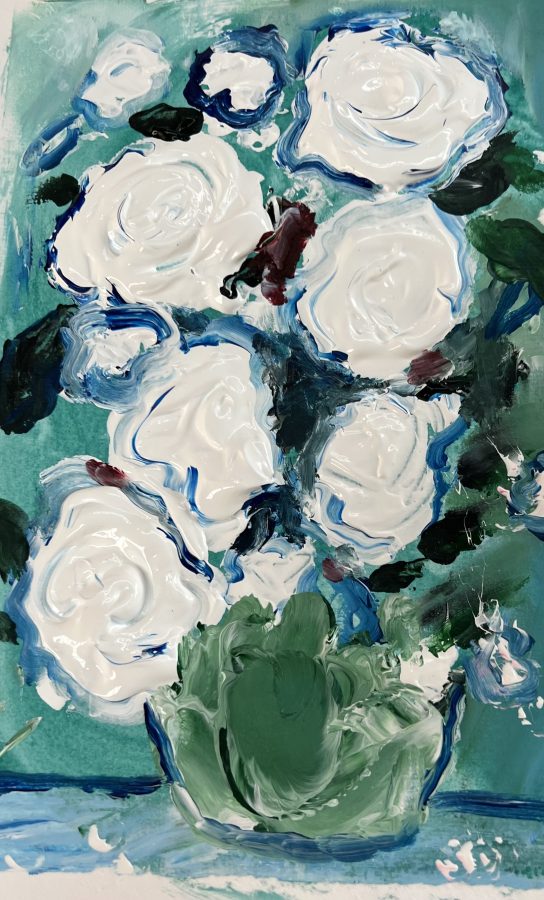
Roses Ode to Vincent van Gogh, 2022

Star Dust, 2022
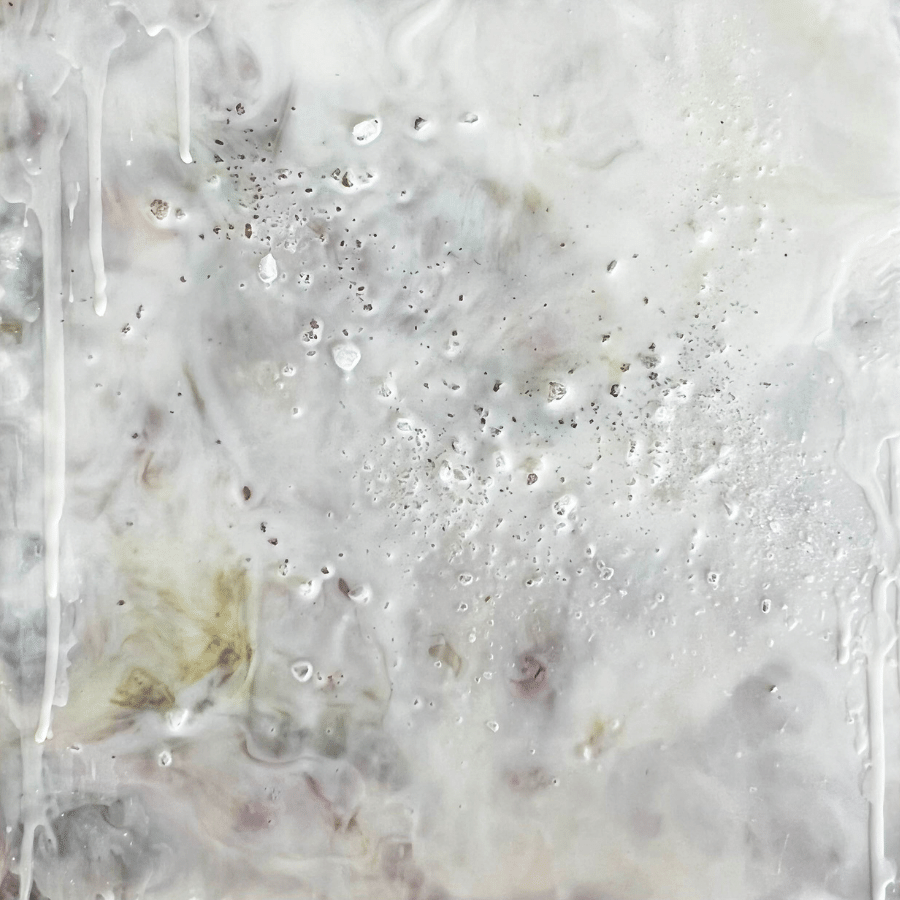
The Awakened Heart, 2022
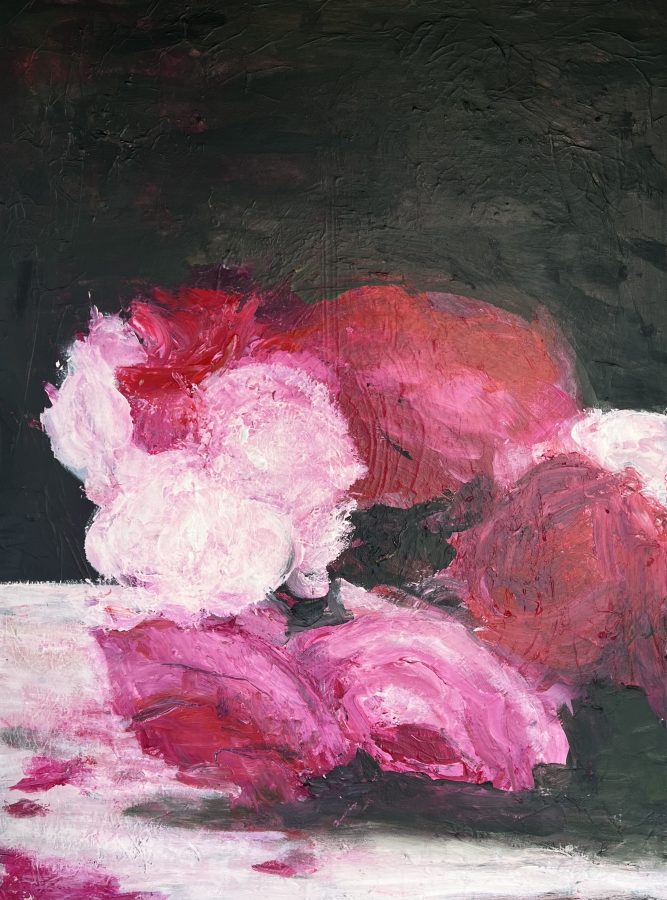
Love Is a Flower, Cassandra Gaisford, 2022
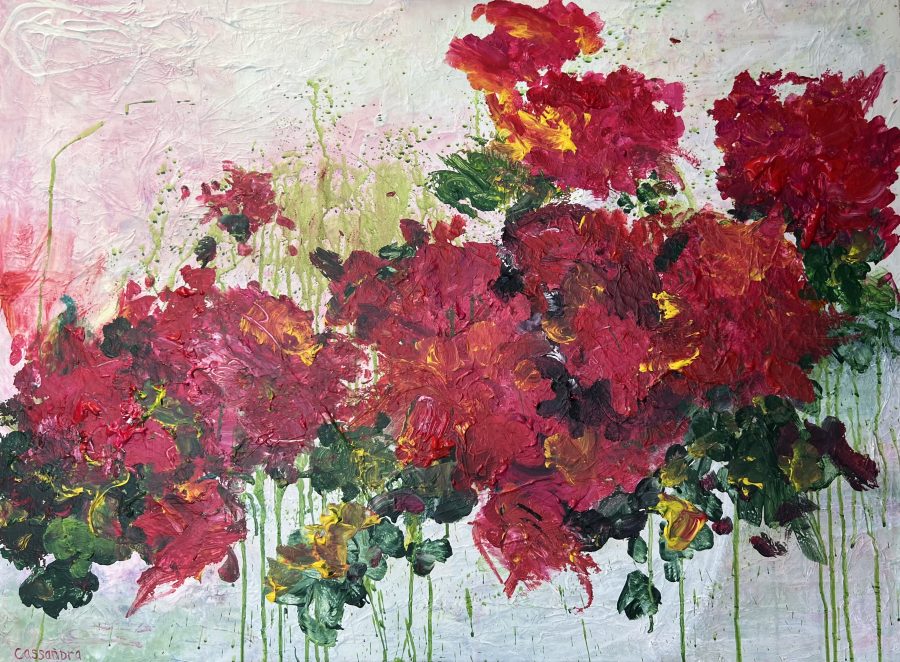
A Hopeful Heart, May 2023
In this video (which is a Facebook Live from my Joyful Artist FB group), I share how to create fearlessly. You’ll see me taking a painting I no longer like and creating one I love.
Leonardo knew that art is not just about beauty. It’s about truth—especially the uncomfortable kind. His Last Supper dared to capture the moment before the fall. Mine, too, became a reckoning. A search for beauty in the wake of betrayal.

A Crazy Little Thing Called Love, 2022
Posted in: Blog
ABOUT CASSANDRA
I am an artist, storyteller, intuitive guide, mentor and Reiki master. All my creations are infused with positive energy , inspiration, and light. I believe in magic and the power of beauty, joy, love, purpose, and creativity to transform your life. My greatest joy is helping your realize your dreams. That makes my soul sing!
RECENT BLOG POSTS
CONTACT
P: +64 (0) 21 873 833
E: hello@thejoyfulartist.co.nz
BE SOCIAL


© 2026 The Joyful Artist
Website by Webstudio