


As Lena notes in her February monthly Power Path Astrology report, “If you feel pulled into the swirl of negative reactions, raise your vibration through a focus on beauty and be inspired by your own creativity.”
Leaning into beauty is one of my most potent and treasured wellbeing practices. I hope you enjoy my musings and memories on the power of beauty to change our lives.
In this video, I share some of the inspiration, artistic process and behind-the-scenes footage involved in creating my commission artwork—Miss Beautiful.
Lena also notes, “Beauty is a high vibration and using discernment to identify what brings your vibration down is helpful. You can then make a choice to eliminate it from your life or to simply stay neutral around it so it does not affect you. Sometimes it is not possible to remove yourself from a situation, however you always have a choice to be neutral about it.”

The other day I read a fascinating article about a former Chinese journalist, Cheng Lei. Detained in China in 2020 before her arrest in February 2021, Cheng Lei’s life was forever altered when she was imprisoned by the Chinese government. She was released from detention in October 2023.
What struck me was not just her story of imprisonment but that China had once outlawed beauty.
When presenter and columnist for Sky News, Cheng Lei was born in the 1970s in communist China under Mao beauty was a crime. The Cultural Revolution was a decade of carnage on beauty– adornment, art, literature and music, traditional customs and individuality.
“Everything beautiful was trashed, burned, attacked, or if lucky, well hidden, smuggled out. China became a nation of blue Mao suits, green Army uniforms, and red books of Mao’s sayings. The silver lining was equality. Because everything was state-owned and utilitarian and uniform, dads and mums both worked, cooked and washed. Very little separated the genders.
It was also a time of spartan living. Ration coupons were needed to buy everything from fabric to eggs. There were only state-run stores that sold a limited amount of goods and it was necessary to queue for even basic items.
From the late 70s, after China started reforms and began slowly opening up, formerly illegal ideas like beauty and gender difference could be celebrated again. To make up for the decades of repression, consumerism and brand obsession took off and, some might say, went to the other extreme.”
(read to the end for some thoughts)
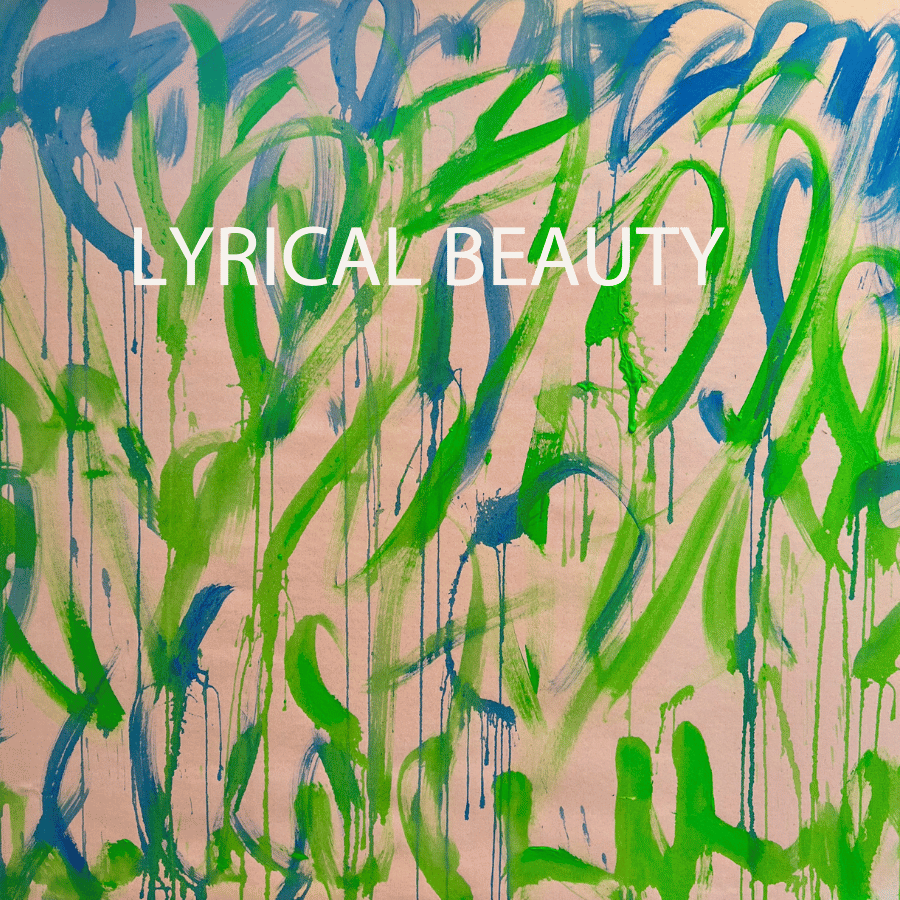
Step into a world of vibrant joy with this stunning abstract! Bursting with lively greens, beautiful spring blues and dynamic brushstrokes, this painting captures the essence of a blooming garden in full swing. Perfect for adding a splash of color and happiness to any space, it’s a celebration of nature’s exuberance. Let this artwork be the centerpiece that sparks conversations and uplifts spirits.
Perfect to brighten your home and refresh your life with an immediate uplift!
Acrylic on canvas with passion
1230 mm x 1405 mm x 30 mm
“Thank you, Cassandra, for my beautiful piece of artwork, Let in the Light. I love it. I love its shimmer, I love its shine and everything about it. You’re a lovely, lovely person, and that’s reflected in your lovely, lovely art. Come and see Cassandra. She’s amazing.”
Lisa. R.I.P beautiful soul

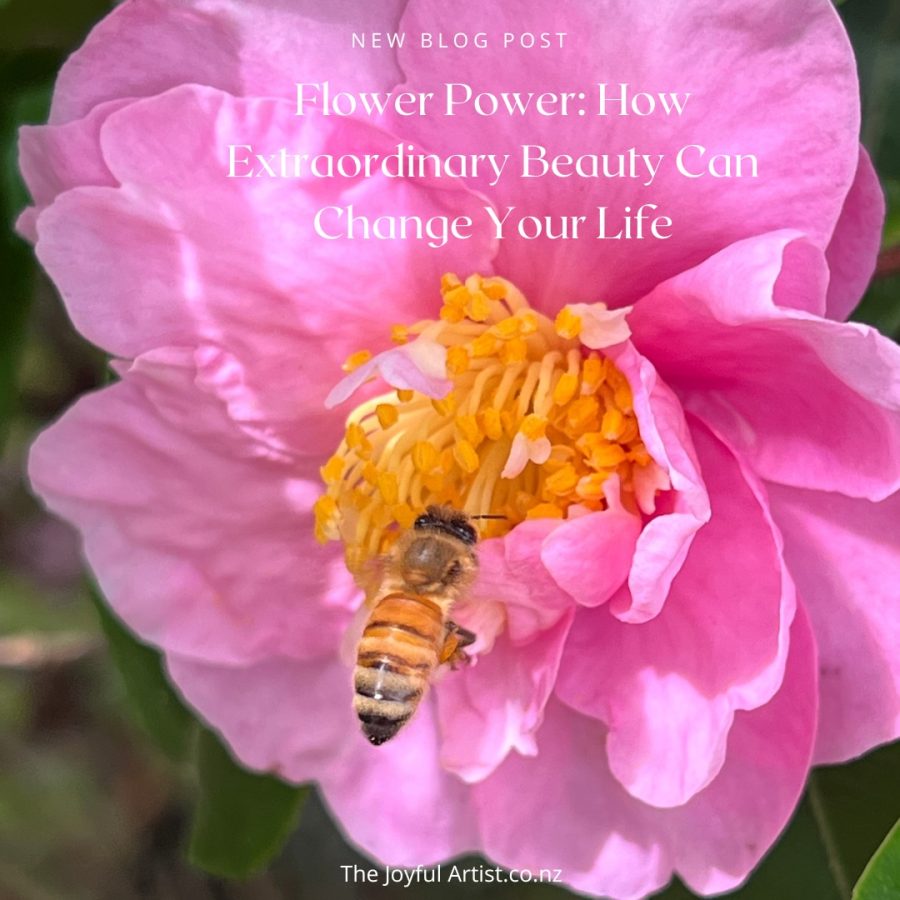
Flower Power: How Extraordinary Beauty Can Change Your Life. Many moons ago, I came across a book about mindful photography. I went in search of the book and stumbled across this group in the UK
https://mindfulphotography.org.uk
On their website, they share:
“Mindful Photography, sometimes known as contemplative photography, allows you to take some time out and nurture awareness of yourself and your surroundings.
In a world with its throttle stuck on full speed, there’s something magically rebellious about going slow and immersing yourself in the beauty of flowers.
Just being in proximity of plants or a beautiful bunch of flowers has been shown to reduce stress, speed healing, enhance concentration, and improve mood.”
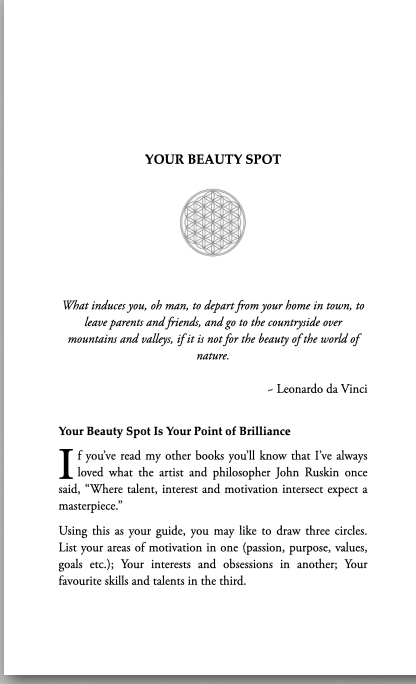
In The Art of Success: How Extraordinary Artists Can Help You Succeed in Business and Life (Leonardo da Vinci Book 1) I share strategies to help you find your beauty spot—the intersection of your talents, interests, and passions.

Direct from Cassie l Amazon l Kobo l iBooks l Barnes and Noble
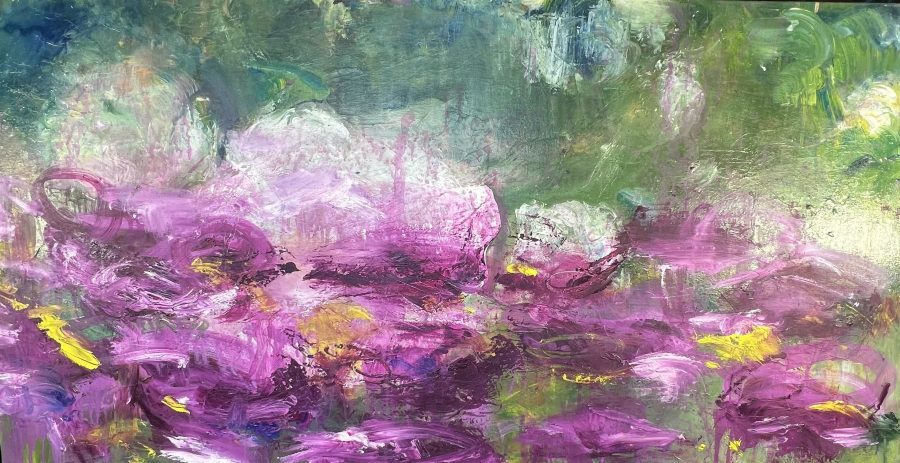
No Shrinking Violet
1215mm x 600mm
Mixed media and oil on canvas
The beautiful simplicity of Monet and Cy Twombly’s floral paintings inspired this painting. She’s a beauty with a powerful story of “Triumphing over darkness”, “Loving the light” and “perseverance is our victory”
The palette was inspired by my love of flowers, childlike joy and feelings of, “joy” and “fun” and takes a cue from my love of violets and the Italian-inspired landscape which I so love (vibrant and muted olive greens).
I love everything about creating this gorgeous piece …
Cy Twombly is regarded as one of America’s great abstract painters. His stunning irises, roses and other floral-inspired works were created in the 60s when he was living in Rome. When I visited the Museum of Modern Art in New York many moons ago his giant canvases of abstract flowers painted in the last years of his life had a profound impact on me—I fell in love instantly.
The feeling has never left me. It’s with profound gratitude that I have gained the same reaction from people who have seen and begun collecting my work. Twombly’s paintings ripple with life and colour in large part due to the vigour and immediacy with which the paint was applied, and also the diluting of paints to a watercolour consistency which allowed for drips and runs.
I employed a similar technique in this work, and like Twombly love to paint with child-life spontaneity. Daubs, smears and drips of colourful paint applied with a brush, the brush handle and the tips of my fingers increase the sensuality.
Beauty has always been a contested space, a force both revered and reviled throughout history. It has been exalted as divine, worshipped in art, poetry, and architecture, yet it has also been systematically suppressed, criminalized, and erased.
But why is beauty so threatening? Why do oppressive regimes, repressive ideologies, and even certain aspects of modern culture seek to diminish or control it? The answer lies in power, identity, and the profound influence beauty wields over the human spirit.
Beauty is an assertion of autonomy. It signals self-expression, personal choice, and an ability to shape one’s world rather than be shaped by it. In a system built on control, individuality is a threat. In Mao’s China, aesthetics were deliberately flattened to remove class distinctions, gender differences, and any perceived bourgeois decadence. The idea was that a uniform people were easier to mobilize, govern, and indoctrinate. In this sense, beauty—or rather, the lack of it—was a tool of suppression.
History has seen this pattern before. The Puritans viewed elaborate dress and ornamentation as sinful. The Taliban has enforced rigid dress codes, stripping women of self-expression. Even in modern corporate environments, there remains an underlying tension between self-stylization and conformity. Beauty, when dictated by the individual, represents personal agency—an affront to systems that demand obedience.
Beauty disrupts. It captivates, it inspires, and it stirs something deeply human. A striking piece of art, an arresting face, an elegantly draped fabric—these things demand attention, challenge monotony, and awaken desire. For authoritarian structures, this is problematic. If people are moved by beauty, they may begin to question the world around them. They may seek more, aspire to something beyond survival, and recognize the grayness of their controlled existence. The Cultural Revolution sought to eradicate these distractions, to replace artistic longing with political devotion.
Even today, beauty continues to be scrutinized. Women in positions of power are often subjected to commentary about their looks in ways their male counterparts are not. Natural hair, cultural attire, and makeup choices can still be sites of discrimination. Beauty, when not confined to the dictates of a dominant culture, is seen as a deviation, something that must be tamed or corrected.
When China emerged from the suppression of the Cultural Revolution in the late 1970s, beauty made a ferocious return. The decades of repression had created a vacuum, and consumerism filled it. The pendulum swung to the other extreme—where once beauty was criminalized, now it became commodified. Western luxury brands flooded the market. Aesthetic surgery surged. A nation that had been forced into sartorial uniformity now embraced high fashion, intricate makeup, and hyper-feminine or hyper-masculine aesthetics.
This extreme shift raises another question: does the unchecked commercialization of beauty create its own form of suppression? When beauty is dictated by mass media, corporations, and social pressures, it can become just as rigid as state-enforced plainness. Instead of political obedience, beauty is now shaped by capitalistic forces—where worth is measured in brand names and curated perfection.
If beauty is power and beauty disrupts, then beauty is also resistance. To adorn oneself is to reclaim ownership over the body. To paint, to sculpt, to dress in vibrant colors is to assert that aesthetics matter. It is why marginalized communities have often used beauty as a statement—why drag culture flourished despite persecution, why enslaved people braided survival maps into their hair, why women in restrictive societies have used makeup as an act of quiet defiance.
Perhaps this is why beauty will always be threatening. It is not simply about looking attractive; it is about asserting one’s right to be seen, to take up space, to shape the world rather than be shaped by it. It is about choosing expression over erasure.
The lesson from history is clear: beauty, when controlled, can be a weapon of oppression, but when reclaimed, it becomes a beacon of resistance. The challenge today is not only to recognize beauty’s power but to ensure it remains a force for liberation rather than limitation. The world does not need a return to either extreme—neither the aesthetic barrenness of Mao’s China nor the crushing beauty standards of hyper-capitalism. Instead, it needs a redefinition of beauty that is diverse, fluid, and free.
Because a world without beauty is a world without soul, and a world where beauty is feared is one that fears the power of its own people.
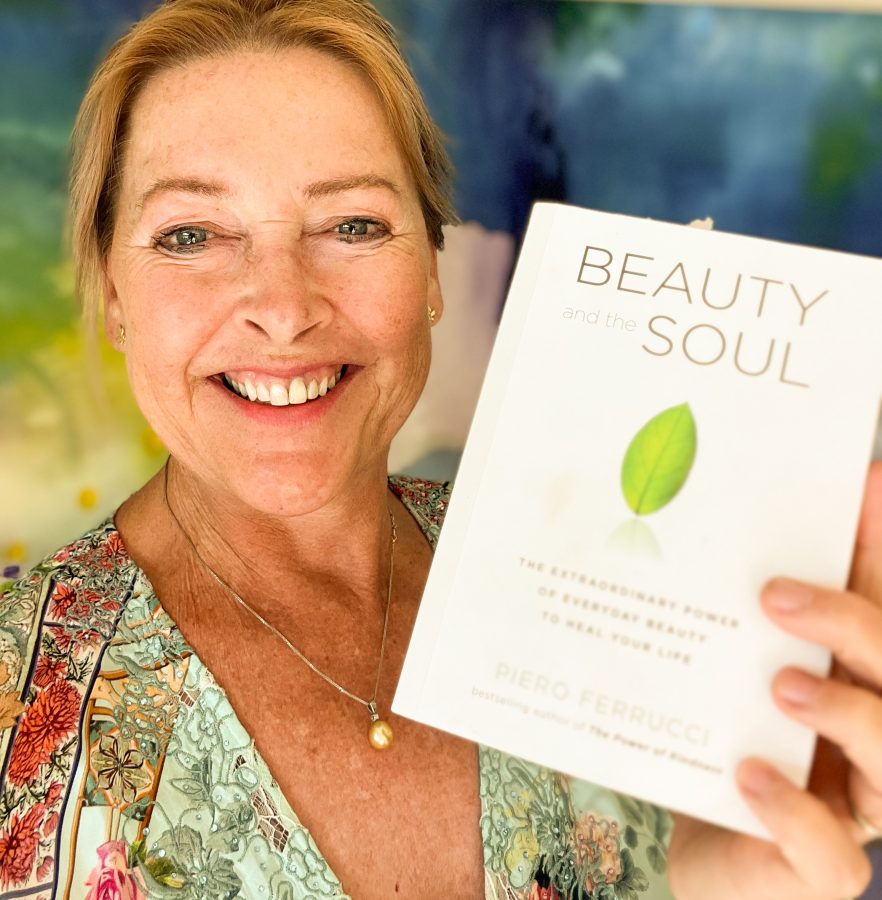
The bestselling author of The Power of Kindness shows how the ability to appreciate beauty—far from being a luxury or an afterthought—is vital to leading a happy, balanced, and satisfying life.
Beauty is all around us—in a flower, a song, the sound of water falling, or a dramatic painting. We often think of it as just “window dressing.” But it’s not: it’s one of the key elements of a healthy, happy existence, and fully engaging with the everyday beauty that surrounds us can help us combat depression and malaise, speed recovery, and make life feel more purposeful.
Transpersonal psychologist Piero Ferrucci teaches us how to see the beauty of the everyday in a whole new way, not as a pleasant distraction but as a powerful therapeutic tonic that can help us forge connections with others, cope with stress, and build happier lives.
“Ferrucci keeps it simple yet profound in this persuasive argument for the importance of appreciating beauty. . . . This is a wonderful book to give to anyone made uneasy by the conditions of modern life, because the solution is so simple and yet bears repeating: stop to smell the roses.”
—PUBLISHERS WEEKLY
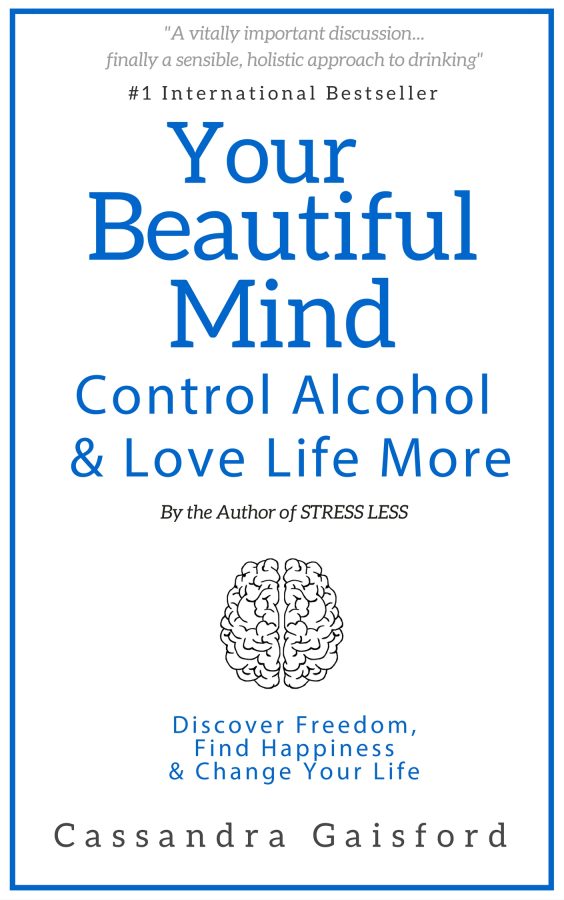
| Your Beautiful Mind: Control Alcohol, Discover Freedom, Find Happiness and Change Your Life, is available in print and eBook here—getBook.at/Controlalcohol |
The unexpected power of the beauty of a flower
Posted in: Blog
ABOUT CASSANDRA
All my creations are infused with positive energy, love, and light. I believe in the power of beauty, joy, love, purpose, and creativity to transform your life.
RECENT BLOG POSTS
CONTACT
P: +64 (0) 21 873 833
E: hello@thejoyfulartist.co.nz
BE SOCIAL


© 2026 The Joyful Artist
Website by Webstudio